


Water Temperature Matters for Salmon
Pacific salmon prefer cool, clean water. Each life stage has a range of ideal temperatures for optimal growth and success.
During drought conditions, increases in water temperature and decreases in water flow can affect salmon migration, spawning, egg development, and juvenile rearing. However, salmon are good at adapting to changing conditions and will seek out areas of cooler water ("thermal refugia").
We observe stream temperatures in the late-summer and early fall, to see how they may affect salmon migration and spawning in the Gitksan Lax'yip.
CLIMATE CHANGE IS CHALLENGING SALMON
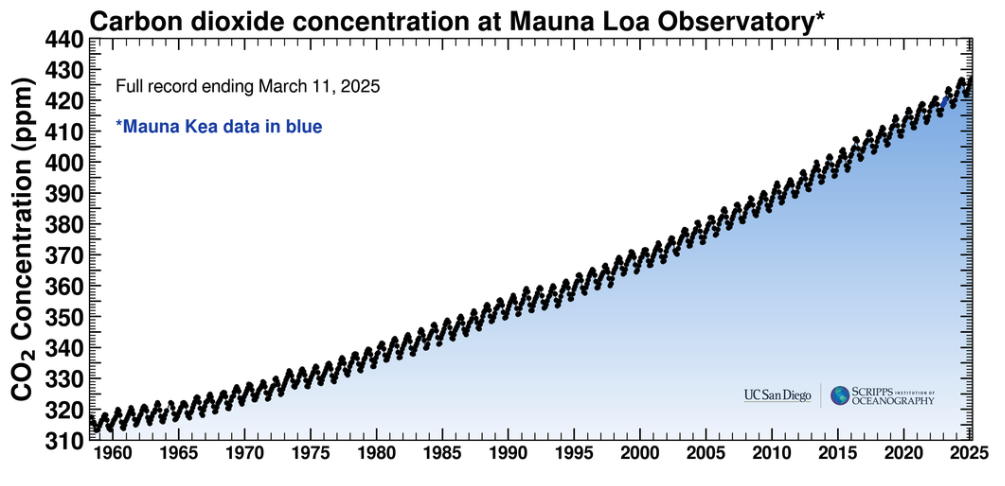
The Earth is warming faster than ever due to human-caused increases in greenhouse gases, such as CO2. The specific effects of a warming earth vary by region. Climate change can affect freshwater conditions through changes in temperatures and flows, but also through landscape changes, such as loss of glaciers and wetlands, or increases in high-intensity wildfire or insect-killed forests. In freshwater, salmon are affected by warmer water temperatures, changes in streamflow, access to food and safety, and watershed landscape change. These factors can have compounding effects on freshwater ecosystems (Crozier and Siegel, 2023).
How is climate changing in the Gitksan Lax’yip?
In the Gitxsan Lax’yip, conditions have become warmer and wetter in the past century, with summer and winter temperatures increasing throughout the region (Foord, 2016). Climate experts project that mean annual temperature will increase by roughly 3°C and snowpack will decrease by 35% by 2055. Summers are predicted to warm by 3.5°C, the most of any season (Foord, 2016). There have been two major droughts in the Gitxsan Lax’yip over the last 10 years, and it is likely that drought and lower summer snowpack will become more common. Large, high intensity wildfires have become more common in recent decades (Parisien et al. 2023), which can lead to increased stream temperatures and higher transport of sediment into water bodies (Mahlum et al. 2011). Glaciers are also a prominent feature in the Gitksan Lax’yip, but this landscape too, is changing.
GLACIERS AND SNOWMELT HELP COOL WARM RIVERS
Glaciers provide a source of cold water to rivers during late summer months when the snowpack has melted away. This literal 'ice water' can buffer warm and low river conditions by decreasing temperatures and increasing flow, and as a result help migrating salmon. The glaciers in the Gitksan Lax’yip provide cold water to the upper Skeena River and the Babine River.
However, glaciers are currently spending cold water currency from a bank that receives few deposits. Glaciers in the Gitksan Lax'yip region are thinning at a rate of approximately −0.58 ± 0.16 m/upstream glacial area (Schiefer et al. 2007). Under current climate change scenarios, by 2050 glaciers will be reduced by 40-80%, and by 2100 most glaciers will be gone (Clark et al. 2015).
While some salmon watersheds may experience the creation of new habitat as a result of glacial melt, the Skeena River is projected to experience almost none (Pitman et al. 2021).
BC GLACIER MAP
Loading glacier map...